What would break if your favourite AI tool disappeared?
Content, automations, proposals: more of a small business runs through one AI tool every month. A calm, 30-minute exercise to see what depends on it before you find out the hard way.
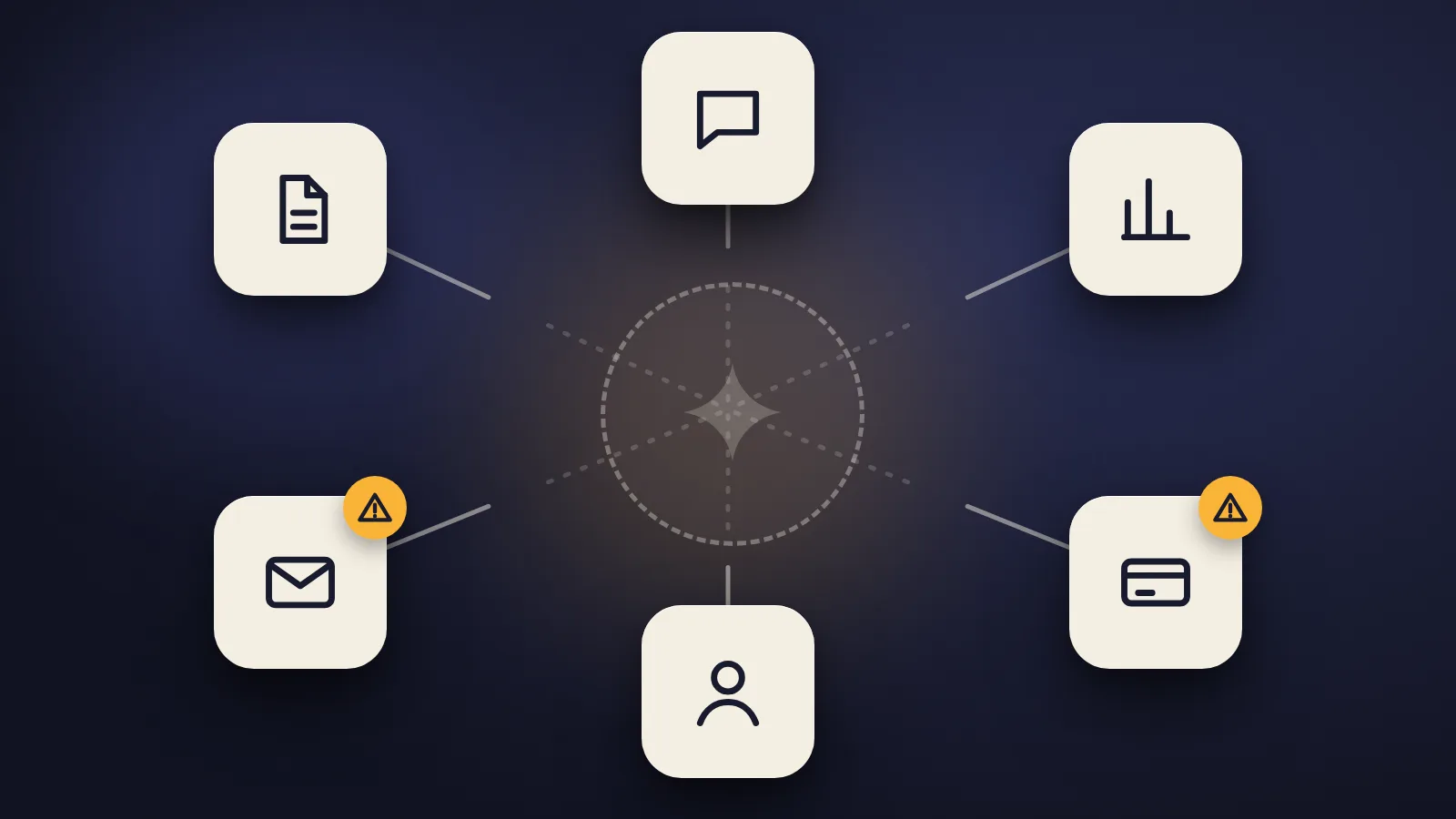
More of a small business runs through one AI tool every month.
The content. The automations. The proposals. Sometimes the replies to customers.
We're in the same place. We use Claude every day and we like it. This isn't a "stop using AI" note. It's a question we asked ourselves and found harder to answer than we expected: what's the plan for the day it isn't there?
Tools change, sometimes overnight
Prices change. Plans change. Services go down on the worst possible day. Accounts get locked by an automated system with no person to call. None of it is dramatic, and all of it happens.
The companies that handle it well usually aren't the ones with the best tools. They're the ones that don't depend on any single one.
The 30-minute exercise
Take a sheet and write down every place AI touches your business. Then, for each one, answer four questions:
- What breaks? Be specific. "Proposals take three hours instead of thirty minutes" is useful. "Things slow down" isn't.
- How long until a customer notices? An hour, a day, a month. That's your real order of priorities.
- What's the plan B? Another tool, a template, a person who can do it by hand. If the answer is "nothing", you've found where to start.
- Where does the know-how live? Your best prompts, instructions and examples should be in your own documents, not only in a chat history. If you can't export it, you don't really own it.
Then try a day without it
Pick a quiet day and run one process without the tool. Often the weak spot turns out not to be the AI at all. It's that only one person knows how the workflow really works, or that the steps were never written down.
Single points of failure are rarely just tools. They're people, spreadsheets and habits too.
What would break first in your business?